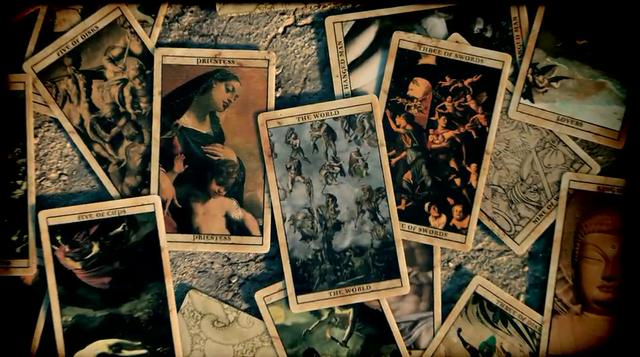
Motion design is everywhere — you see it in TV shows, movie credits, and of course right here on Vimeo. But what is motion design? And how can you use it to enhance your videos? Read on, my friends, and let us explore the amazing world of motion’¦ Let’s start with the basic question that serves as the title of this lesson: What is motion design? Simply put, it’s graphic design put it into motion. Graphic design on its own uses imagery to convey a message. Some well-incorporated motion can emphasize that message by adding energy and visual interest. Plus, motion design can not only help communicate a message, it can even be the message itself. Confused? We’ll fix that. When it comes to explaining tricky concepts, you just can’t beat a good video, like this one by the Motion Plus Design Center.
There are myriad uses for motion design, but it’s often used to enhance a story by simplifying complicated ideas or making underwhelming visuals more engaging. For example, see the video Jeff O’Neal made about a bloke named Chet:
Now imagine the video without any graphics. It would be significantly less engaging, right? Oftentimes you’ll see motion design referred to as animation, and it can be difficult to distinguish between the two. The line between animation and motion design has always been blurry. Traditional animated films often rely on characters to advance the story, while motion design often uses graphics to move the plot along. Also, motion design lends itself to more abstract and non-linear productions, as opposed to animated films that follow a central protagonist. When creating motion graphics for your production, here are some things to keep in mind:
- Timing: Whatever graphic elements you choose, they need to move, shake, wiggle, and slide at just the right moments. Viewers can tell when something comes in late or early, so you need to get it right.
- Duration: Just like in video production, flashing an image on screen too quickly can be jarring and may not get the message across. Conversely, leaving a graphic on the screen for too long can cause the audience to lose interest.
- Tempo: The speed of your repeated motions and music is critical. Any sort of rhythm will create a certain effect and it’s important that the beat matches the production.
- Transitions: The way you move from one scene or image to the next will have a huge influence on how your message is interpreted. Your transitions should match your subject matter so your audience stays immersed in your story.
- Natural Movement: Try to keep your motion design movements organic and natural. Think about driving a car. It doesn’t instantly go from a standstill to full speed — there are many steps in between. The same applies to motion design. The more the motions match our expectations of movement, the more convincing and engaging your audience will find them. For a more in-depth look at these principles, I recommend watching Henning Rogge‘s video on the The Basics of Motion Design. It’s full of detailed examples of motion design theory:
After you’ve had some time to digest all that, check out one of the most impressive works of motion design on Vimeo, Stuxnet: Anatomy of a Computer Virus by Patrick Clair:
See how many examples of well-thought-out timing, transitions, and natural movement you can find — there are a lot! Motion design is a powerful technique that can take years to master, but fear not. In the coming weeks, Vimeo Video School will feature a few lessons on basic motion design techniques and how best to apply them. Until then, stay curious!
If you're a creator, before your video reaches the Vimeo player, try out features like the trimming tool, video merger, compression utility, and GIF maker.